
The most common causes, explained simply
If you've been quietly worried about your hair thinning, wondering what you did wrong, we want to say this upfront: you probably didn't do anything. Hair thinning is common, it has real, well-understood causes, and almost none of them are within your control.
Here's what's actually behind it, in plain terms.
Genetics
For a lot of people, thinning hair is simply written into their family history. Hormone-related pattern thinning runs in families and tends to show up as hair getting finer over time rather than falling out all at once. If a parent or grandparent dealt with it, there's a real chance you will too, regardless of your routine or products.
Hormonal shifts
Hormones have a bigger say over your hair than most people realize. Postpartum hormone changes are one of the most common triggers, which is part of why we hear from so many women in the months after having a baby. Perimenopause and menopause bring their own hormonal shifts that can thin hair too. None of this means something's gone wrong with your body. It's a known, expected shift, even if nobody warns you about it ahead of time.
Stress
Significant physical or emotional stress can push more hair than usual into a resting phase, which shows up as noticeable shedding a couple of months later. It's called telogen effluvium, and the timing can be confusing because the stress itself might already be behind you by the time you see the hair loss. This one hits closer to home for us. Stress played a real part in our own hair thinning, and it's usually temporary once things settle.
Getting older
Hair naturally gets finer as we age. Individual strands shrink in diameter over time, and hair growth cycles slow down, so a full head of hair in your 20s can look and feel noticeably different by your late 30s or 40s, even with nothing else going on. This was our other experience firsthand. Sometimes there's no dramatic cause. It's just time.
Styling and tension
Tight ponytails, heavy heat styling, and repeated over-processing can wear down hair and put tension on the follicle over the years. This one's more within your control than the others, but it's rarely the whole story. Usually it's one factor among several, not the sole cause.
When it's worth talking to a doctor
Most thinning falls into the categories above and is manageable without medical intervention. But sudden, patchy, or unusually rapid hair loss is worth a conversation with a doctor, since it can sometimes point to something else going on that's worth ruling out. That's not us being alarmist, just honest. We're not doctors, and we'd rather point you toward one than guess.
Why we're telling you all this
None of this is about diagnosing your hair or telling you what to do about it. It's about taking away the idea that thinning hair means you did something wrong. Roughly 40% of women deal with this at some point, and most of us have been handling it quietly, like it's a personal failure instead of biology.
It's not. And the more openly we talk about it, the less alone anyone has to feel while it's happening.
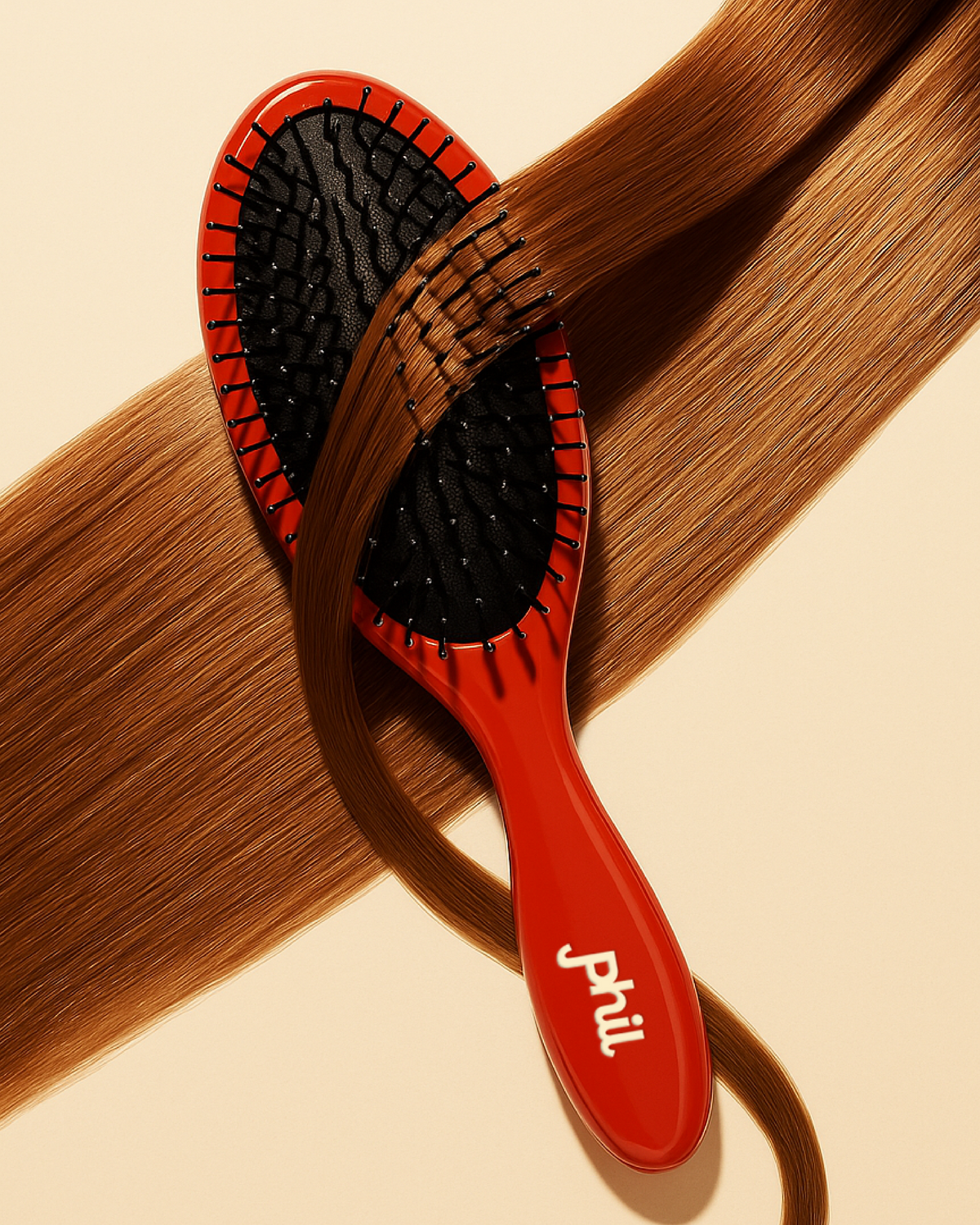
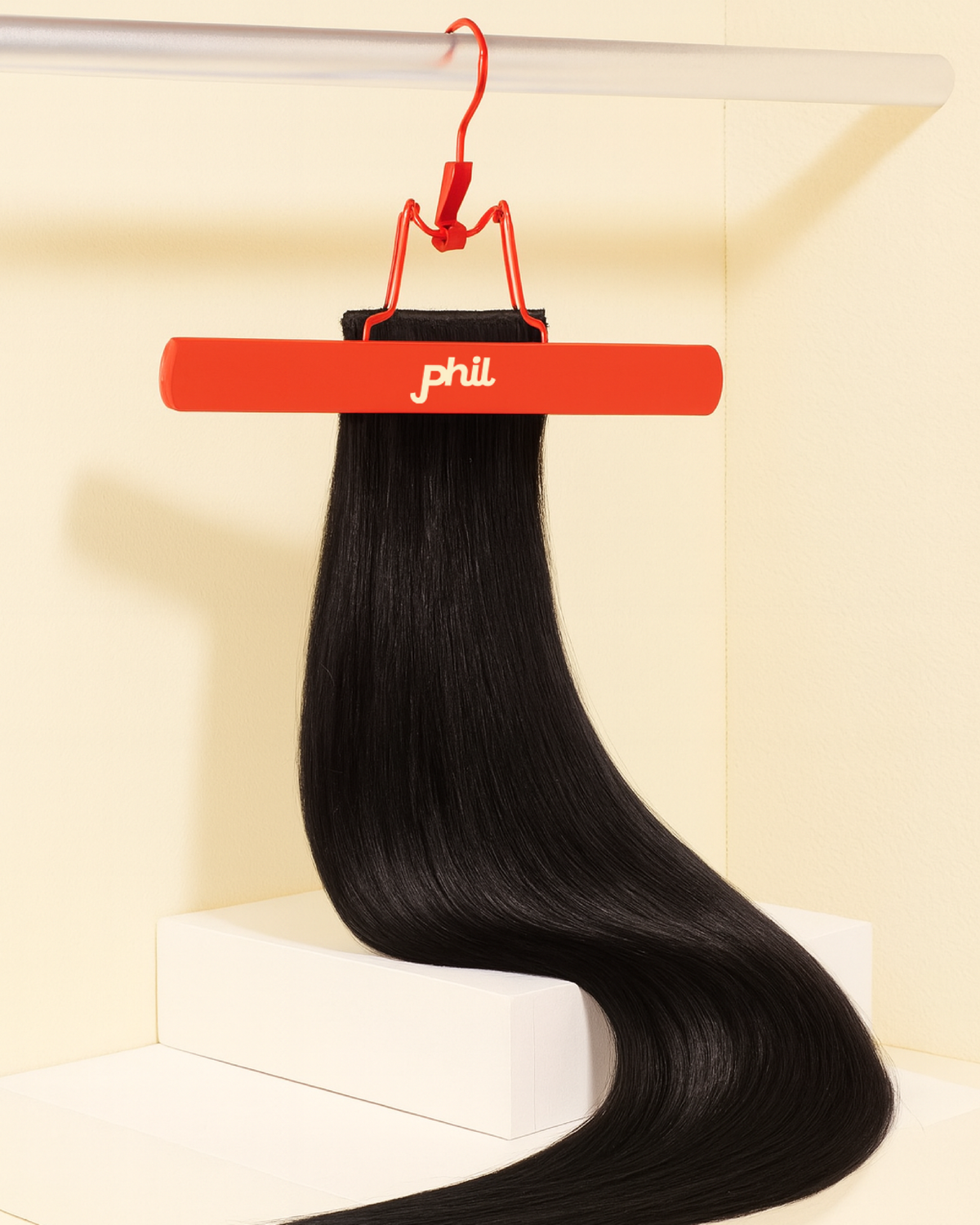
If you're looking for a little extra volume or coverage while your hair does its own thing, that's exactly what our brand Phil is for. Not a fix. Just some relief on the days you want it. Both Natalie and myself USE the products religiously. We wouldn't promote or wear anything we didn't love over & over again!!! ~


Leave a comment
This site is protected by hCaptcha and the hCaptcha Privacy Policy and Terms of Service apply.